

Your joints ache. Your energy crashes by noon. You’ve heard that food can fight inflammation. But every time you search for answers, you hit walls of conflicting advice. Complicated diets. Expensive ingredients. Meal plans that feel impossible to follow.
You don’t need another overwhelming health book. You need something practical. Something designed for real people with real lives.
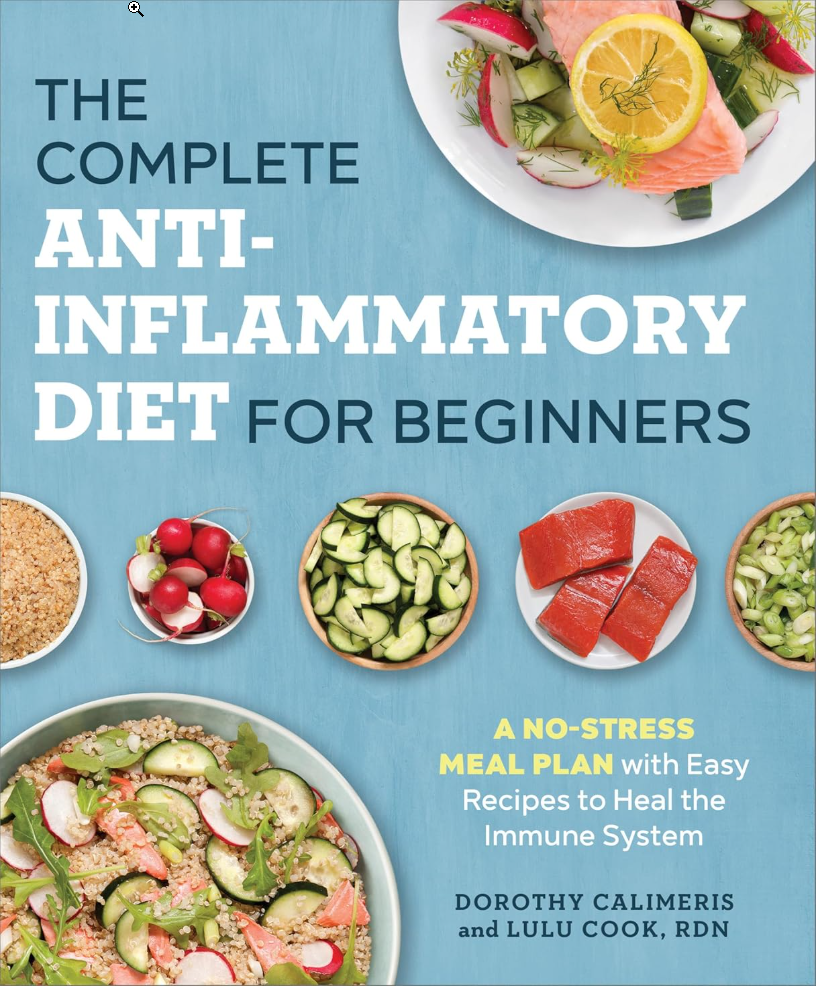
That’s exactly what The Complete Anti-Inflammatory Diet for Beginners promises to deliver. In this review, I’ll break down what’s inside, who it’s for, and whether it’s worth your money. No fluff. Just honest answers.
What Is This Book?
The Complete Anti-Inflammatory Diet for Beginners: A No-Stress Meal Plan with Easy Recipes to Heal the Immune System is written by Dorothy Calimeris, Lulu Cook RDN, and Jennifer Lang MD. It is published by Rockridge Press. The book is designed specifically for beginners. There are no advanced culinary techniques required. No obscure superfoods. No unrealistic expectations.
The authors bring three distinct perspectives. Dorothy Calimeris is a cooking instructor and wellness advocate. Lulu Cook is a registered dietitian nutritionist. Jennifer Lang is a board-certified OB-GYN with a focus on integrative medicine. Together, they cover the science, the nutrition, and the practical cooking side of anti-inflammatory eating.
The book includes a two-week meal plan, over 75 recipes, and clear explanations of the anti-inflammatory approach. It’s one of the most accessible books in this health category.
Who Is This Book For?
This book is written with a very specific reader in mind. The authors make no assumptions about your cooking skills or health knowledge. If you’re new to anti-inflammatory eating, this is a strong starting point. Here’s who will benefit most:
- Beginners with zero experience in anti-inflammatory diets
- People dealing with joint pain, fatigue, brain fog, or digestive issues
- Busy adults who need simple, fast weeknight meals
- Anyone recently diagnosed with an autoimmune condition
- Home cooks who want medically backed nutrition guidance
- People who’ve tried other diets and found them too restrictive or complex
- Those who want a structured meal plan rather than a random recipe collection
- Readers who want to understand the science behind what they eat
If you’re already deep into a healing diet protocol, this book may feel too introductory. But for the target reader — a motivated beginner — it hits the mark well.
Key Features: What Makes This Book Worth Reading
1. A Structured Two-Week Meal Plan
Most cookbooks hand you recipes and wish you luck. This one doesn’t. It includes a detailed two-week meal plan. Every meal is mapped out for you. This removes decision fatigue immediately. You don’t have to figure out what fits together. The plan does that work for you. For beginners, this structure is invaluable.
2. Medically Credible Authorship
The inclusion of a registered dietitian and a medical doctor matters. These aren’t wellness influencers making bold claims. The nutritional advice is grounded in evidence. The science explanations are clear but not dumbed down. You can trust the foundation of what you’re reading.
3. Over 75 Easy, Beginner-Friendly Recipes
The recipes are genuinely approachable. Most require basic pantry staples. Prep times are short. Ingredients are easy to find at any grocery store. You won’t need to hunt down rare items or spend a fortune. That accessibility makes this book far more usable in real life.
4. Clear Explanation of the Anti-Inflammatory Approach
The book opens with a solid introduction to inflammation. It explains what it is and why it matters. It covers which foods trigger inflammation and which fight it. This context helps you make smarter food choices beyond the recipes. You’re learning a framework, not just following instructions.
5. Weekly Shopping Lists Included
Each week of the meal plan comes with a ready-made shopping list. This saves serious time at the grocery store. It also prevents food waste. You buy exactly what you need. Nothing sits unused in your fridge. Small details like this show the authors thought about real-world usability.
6. Focus on Whole, Everyday Foods
There are no gimmicky supplements or exotic ingredients pushed here. The book centers around whole grains, leafy greens, healthy fats, lean proteins, and legumes. These are foods you already know. That familiarity lowers the barrier to actually starting. You can begin the plan without a special shopping trip.
7. Lifestyle Tips Beyond the Plate
The book briefly addresses sleep, stress, and exercise as inflammatory factors. It doesn’t go deep here — that’s not the book’s focus. But acknowledging the full picture shows the authors understand that food is one part of a larger equation. That honesty builds trust.
Pros and Cons
Pros
- Truly beginner-friendly: No experience needed — in cooking or nutrition.
- Credible authors: A medical doctor and registered dietitian back the guidance.
- Structured meal plan: Takes the guesswork out of getting started.
- Affordable price: One of the more budget-friendly books in this health category.
- Practical recipes: Short prep times and common ingredients make these actually cookable.
- Shopping lists included: Saves time and reduces food waste week to week.
Cons
- Limited recipe depth: Advanced cooks may find the recipes too simple or repetitive.
- Two-week plan only: There’s no long-term meal planning guidance beyond the initial plan.
- Light on science: Readers wanting deep research citations may feel under-served.
- Not condition-specific: It doesn’t tailor advice for specific diseases like lupus or rheumatoid arthritis.
- No calorie or macro data: Those tracking specific numbers won’t find that information here.
- Generic photography: The food photos are adequate but not especially inspiring.
How It Compares to Similar Books
vs. The Anti-Inflammation Cookbook by Amanda Haas
The Anti-Inflammation Cookbook by Amanda Haas is beautifully photographed. The recipes are creative and restaurant-quality in many cases. But it’s aimed at more experienced cooks. There’s less educational content about what inflammation actually is. It’s a better fit for someone who already follows an anti-inflammatory lifestyle. The Complete Anti-Inflammatory Diet for Beginners wins on accessibility, structure, and educational value for newcomers.
vs. Anti-Inflammatory Eating Made Easy by Michelle Babb
Michelle Babb’s book is another solid entry in this space. It covers similar territory with approachable recipes. The two books are closely matched for beginner-friendliness. However, Babb’s book lacks the built-in two-week meal plan. It also lacks the co-authorship of a medical doctor. For readers who want more medical credibility and a clear starting structure, Calimeris, Cook, and Lang’s version has the edge.
Pricing Breakdown
Prices may vary by retailer and change over time. Here’s what to expect across formats:
- Kindle (eBook): ~$9.99 — Most affordable option; great for quick recipe reference
- Paperback: ~$14–$18 — Best everyday value; holds up well in the kitchen
- Hardcover: Not widely available in hardcover format
- Audiobook (Audible): Available via Audible — pricing varies by membership
This is one of the most affordable books in the anti-inflammatory diet category. For under $20, the value is strong. Check the latest prices and available formats here: View on Amazon →
Who Should Buy This Book?
- You’re completely new to anti-inflammatory eating and need a guided starting point
- You deal with chronic inflammation, joint pain, fatigue, or digestive problems
- You want a structured meal plan — not just a random collection of recipes
- You prefer simple, fast recipes using common grocery store ingredients
- You want nutrition guidance backed by medical and dietitian credentials
- You’re on a budget and need an affordable, high-value health resource
Who Should Skip This Book?
- Experienced home cooks who want complex, ambitious recipes
- Readers managing a specific autoimmune disease who need condition-tailored guidance
- Anyone needing detailed macro breakdowns or calorie counts per recipe
- People looking for long-term, multi-month structured meal planning
- Those who want deep academic research citations and clinical references
Final Verdict
⭐⭐⭐⭐½ — 4.5 out of 5 Stars
The Complete Anti-Inflammatory Diet for Beginners earns its place as one of the best entry-level books in this genre. The medically credible authorship sets it apart from most beginner cookbooks. The two-week meal plan and shopping lists make it immediately actionable. The recipes are genuinely easy and built from everyday ingredients.
It’s not a perfect book. Experienced cooks may outgrow it quickly. It won’t serve readers managing complex autoimmune diseases on its own. But it does exactly what it promises: give beginners a no-stress, practical, science-backed way to start eating to reduce inflammation.
For the price — often under $15 — it’s a low-risk, high-reward investment in your health. If you’ve been meaning to clean up your diet but don’t know where to start, this is a smart first step.
👉 Check the current price and buy it on Amazon →
FTC Affiliate Disclosure
This article contains affiliate links. If you click a link and make a purchase, I may receive a small commission at no additional cost to you. I only recommend products I believe provide genuine value to readers. Affiliate commissions help cover the cost of running this site. All opinions expressed in this review are my own. Thank you for your support.