
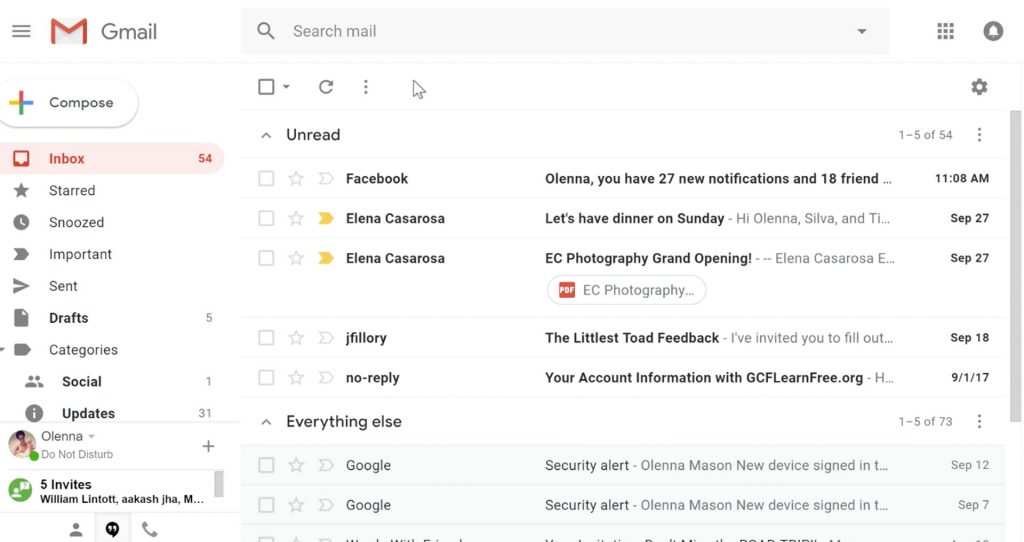

In November 2025, two San Francisco tech developers created something unprecedented: a Gmail-style interface for browsing Jeffrey Epstein’s emails released by the House Oversight Committee. JMail.com (accessible at jmail.world) transforms thousands of pages of dense PDF documents into a clean, searchable, and navigable format that looks and feels like checking your own inbox.
What Is JMail?
JMail is a web-based tool created by Riley Walz (an internet artist known for civic-minded tech projects) and Luke Igel (co-founder of Kino AI). The platform takes publicly released correspondence from congressional data dumps and presents them in a familiar Gmail-like interface, making historically significant documents more accessible to researchers, journalists, and the general public.
Built in just five hours using the Cursor development environment, the project demonstrates how modern web technologies can make public records more user-friendly and discoverable. Since its Friday morning launch in late November 2025, the site has attracted over 350,000 visitors.
Key Features
Gmail-Style Interface
The platform replicates Gmail’s familiar layout, complete with a left sidebar, inbox view, and threaded conversations. This design choice reduces the learning curve to zero—if you’ve used email, you already know how to navigate JMail.
Advanced Search Functionality
Unlike static PDFs, JMail allows users to search through thousands of emails instantly. You can search by sender, recipient, keyword, or date range, making research dramatically more efficient.
Organized Correspondents
The left sidebar highlights frequently appearing correspondents, allowing users to quickly focus on specific relationships and communication patterns within the archive.
No Account Required
True to its mission of accessibility, JMail requires no signup, login, or registration. Simply visit the site and start browsing.
The Broader JMail Ecosystem
Following JMail’s success, the creators and their collaborators expanded the project to include complementary tools:
- JPhotos: An image database of related FOIA releases
- JFlights: A flight tracking visualization tool
- Jamazon: A similar email-style interface for tracking purchases
- Jikipedia: A Wikipedia-style encyclopedia (added February 2026)
This ecosystem approach transforms disparate public documents into an interconnected, searchable archive.
Important Context and Limitations
Legal Disclaimer
The creators emphasize that JMail is a parody of Gmail, not a clone, and stress that they built it purely to make public documents more accessible. All emails displayed are already part of the public record through congressional releases.
Data Source
The platform only displays emails that have been officially released by government bodies. It is not accessing private accounts or hacking any systems—it’s simply reformatting publicly available information.
Messy Data Challenges
According to creator Luke Igel, the original data was “too messy” and poorly formatted. JMail’s value lies in cleaning up and organizing this information into a usable format.
Who Should Use JMail?
JMail serves several distinct audiences:
- Journalists and Researchers: Those investigating public interest stories who need efficient access to source documents
- Legal Professionals: Attorneys and paralegals working on related cases who need searchable archives
- Civic Technology Enthusiasts: Developers interested in how public data can be made more accessible
- General Public: Citizens interested in understanding publicly released government documents
Strengths
- Accessibility: Transforms dense PDFs into a browsable, searchable format
- Speed: Built quickly and efficiently, demonstrating modern web development capabilities
- User-Friendly: Leverages familiar interface patterns
- Free and Open: No paywalls, subscriptions, or registration barriers
- Public Service: Makes government transparency more practical and actionable
Considerations
- Single-Purpose: Designed specifically for one dataset; not a general email tool
- No Context Filtering: Presents all correspondence without editorial curation
- Sensitive Content: Users should approach the material with appropriate understanding of its serious nature
- Ongoing Development: As a rapidly built tool, some features may be rough around the edges
The Broader Significance
Beyond its specific content, JMail represents an important model for civic technology. It demonstrates how developers can use their skills to make government transparency more practical. When official documents are released as unwieldy PDFs, they remain technically public but practically inaccessible to most citizens. Tools like JMail bridge that gap.
Riley Walz has a history of such projects—his work consistently blends technical skill with civic-minded activism. This approach to “Robin Hood-style stunts” makes important information genuinely available rather than just technically accessible.
Final Verdict
JMail.com is not a typical web application—it’s a public service project that happens to use familiar technology patterns. For anyone needing to research or understand publicly released government documents, it’s an invaluable resource that transforms hours of PDF-scrolling into minutes of efficient searching.
The platform succeeds in its mission: making public records genuinely accessible to the public. It’s a reminder that good technology should remove barriers, not create them.
Rating: 4.5 out of 5 stars
Best for: Researchers, journalists, legal professionals, and citizens interested in accessing public documents efficiently
Note: This is a specialized tool for a specific dataset, not a general email or communication platform