
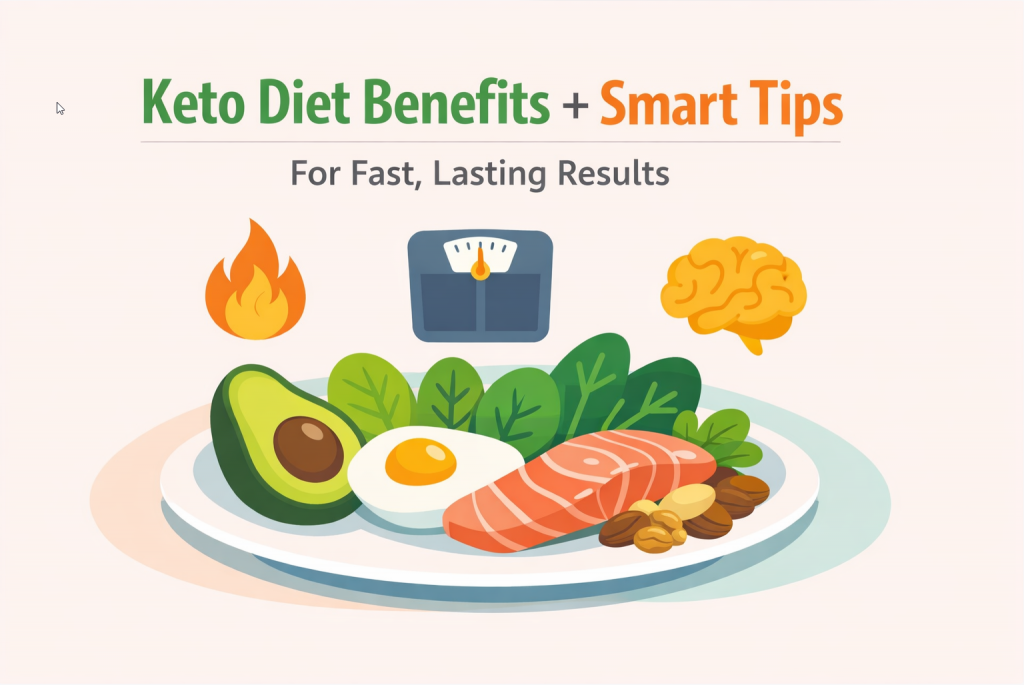

The Keto Diet has become one of the most talked-about nutrition plans in the world—and for good reason. From rapid weight loss to improved energy levels, this low-carb, high-fat approach has helped millions transform their health. But what exactly is it? How does it work? And is it right for you?
In this comprehensive guide, we’ll break down everything you need to know about the Keto Diet in simple, easy-to-understand terms. Whether you’re just curious or ready to start, this article will walk you through the science, benefits, meal plans, risks, and expert strategies for success.
What Is the Keto Diet?
The Keto Diet, short for ketogenic diet, is a low-carbohydrate, high-fat eating plan designed to shift your body into a state called ketosis. Normally, your body uses carbohydrates as its primary energy source. However, when you drastically reduce carbs, your body begins burning fat for fuel instead.
This metabolic state is known as ketosis.
How Does Ketosis Work?
When carbohydrate intake drops to about 20–50 grams per day, the body runs out of glucose (sugar). In response, the liver converts fat into molecules called ketones, which become the body’s new energy source.
In simple terms:
- Fewer carbs = lower insulin levels
- Lower insulin = increased fat burning
- Increased fat burning = ketone production
This shift is what makes the Keto Diet so effective for weight loss and metabolic health.
The 4 Main Types of Keto Diet
Not all ketogenic diets are the same. Here are the most common versions:
1. Standard Ketogenic Diet (SKD)
- 70–75% fat
- 20–25% protein
- 5–10% carbs
This is the most common and beginner-friendly version.
2. Targeted Ketogenic Diet (TKD)
Allows extra carbs around workouts. Ideal for athletes.
3. Cyclical Ketogenic Diet (CKD)
Involves carb cycling (e.g., 5 keto days, 2 high-carb days).
4. High-Protein Ketogenic Diet
Similar to SKD but includes more protein.
Most beginners should start with the Standard Ketogenic Diet for simplicity.
9 Powerful Benefits of the Keto Diet
1. Rapid Weight Loss
One of the biggest reasons people try the Keto Diet is weight loss. By reducing insulin levels, the body taps into stored fat for energy, leading to quicker fat loss.
2. Reduced Appetite
Fat and protein are more filling than carbohydrates. Many people naturally eat fewer calories without feeling hungry.
3. Improved Blood Sugar Control
Research suggests ketogenic diets may help people with type 2 diabetes manage blood sugar levels more effectively.
For more scientific information on ketogenic diets and metabolic health, visit the Harvard School of Public Health’s nutrition resources:
https://www.hsph.harvard.edu/nutritionsource/
4. Increased Mental Clarity
Many followers report better focus and reduced brain fog once fully adapted to ketosis.
5. Higher Energy Levels
Once the body adapts, fat becomes a stable and long-lasting energy source.
6. Lower Triglycerides
Studies show ketogenic diets may reduce harmful triglyceride levels.
7. Improved HDL (Good Cholesterol)
Healthy fats can raise HDL cholesterol levels.
8. Reduced Inflammation
Lower sugar intake often leads to reduced inflammation in the body.
9. Potential Therapeutic Uses
Originally developed in the 1920s to treat epilepsy, ketogenic diets are still used medically for seizure disorders.
Foods to Eat on the Keto Diet
To succeed on the Keto Diet, focus on whole, nutrient-dense foods.
Healthy Fats
- Avocados
- Olive oil
- Coconut oil
- Butter
- Nuts and seeds
Protein Sources
- Eggs
- Chicken
- Beef
- Fish
- Tofu
Low-Carb Vegetables
- Spinach
- Broccoli
- Cauliflower
- Zucchini
- Kale
Dairy (Full-Fat)
- Cheese
- Heavy cream
- Greek yogurt (unsweetened)
Foods to Avoid
To maintain ketosis, avoid high-carb foods such as:
- Bread
- Pasta
- Rice
- Sugary snacks
- Soda
- Most fruits (except small portions of berries)
Sample 1-Day Keto Meal Plan
| Meal | Example |
|---|---|
| Breakfast | Scrambled eggs with spinach and avocado |
| Lunch | Grilled chicken salad with olive oil dressing |
| Snack | Handful of almonds |
| Dinner | Salmon with roasted broccoli in butter |
This simple plan keeps carbs low while delivering healthy fats and protein.
Common Side Effects: The “Keto Flu”
When starting the Keto Diet, some people experience temporary symptoms called the “keto flu.” These may include:
- Headache
- Fatigue
- Nausea
- Irritability
This usually lasts a few days to a week. Drinking plenty of water and increasing electrolytes (sodium, potassium, magnesium) can help.
Is the Keto Diet Safe?
For many healthy individuals, the Keto Diet can be safe and effective. However, it may not be suitable for:
- People with liver disease
- Individuals with pancreatitis
- Pregnant or breastfeeding women
- Those with certain metabolic disorders
Always consult a healthcare professional before starting any major dietary change.
Tips for Long-Term Keto Success
1. Plan Your Meals
Meal prepping reduces temptation and keeps you on track.
2. Track Your Macros
Use apps to monitor carbohydrate intake.
3. Stay Hydrated
Drink plenty of water daily.
4. Don’t Fear Healthy Fats
Fat is your primary fuel source—choose high-quality options.
5. Be Patient
It may take 2–4 weeks to become fully fat-adapted.
Keto Diet vs. Other Diets
Keto vs. Low-Carb
All keto diets are low-carb, but not all low-carb diets induce ketosis.
Keto vs. Paleo
Paleo focuses on whole foods, while keto emphasizes macronutrient ratios.
Keto vs. Intermittent Fasting
These strategies can complement each other but are not the same.
Frequently Asked Questions (FAQs)
1. How long does it take to enter ketosis?
Most people enter ketosis within 2–4 days of strict carb restriction.
2. Can I eat fruit on the Keto Diet?
Most fruits are high in sugar. Berries in small portions are generally acceptable.
3. Is the Keto Diet good for beginners?
Yes, but planning and education are essential for success.
4. Can I exercise while on keto?
Absolutely. However, high-intensity workouts may feel harder during the adaptation phase.
5. How much weight can I lose?
Weight loss varies. Many people lose 5–10 pounds in the first month, especially water weight.
6. Do I need supplements?
Electrolytes, omega-3s, and vitamin D are commonly recommended but consult your doctor first.
Expert Perspective on the Keto Diet
Nutrition experts emphasize that while the Keto Diet can be effective, sustainability matters most. A diet should fit your lifestyle and support long-term health—not just short-term results.
Balance, nutrient diversity, and medical guidance are key to making keto both safe and successful.
Conclusion: Is the Keto Diet Right for You?
The Keto Diet offers impressive benefits—from rapid fat loss to improved mental clarity. However, it requires commitment, careful planning, and an understanding of how your body responds to carbohydrate restriction.
If done correctly, it can be a powerful tool for transforming your health. But like any dietary strategy, it works best when tailored to your personal needs and guided by professional advice.
Ready to start? With preparation, patience, and consistency, the results might surprise you.