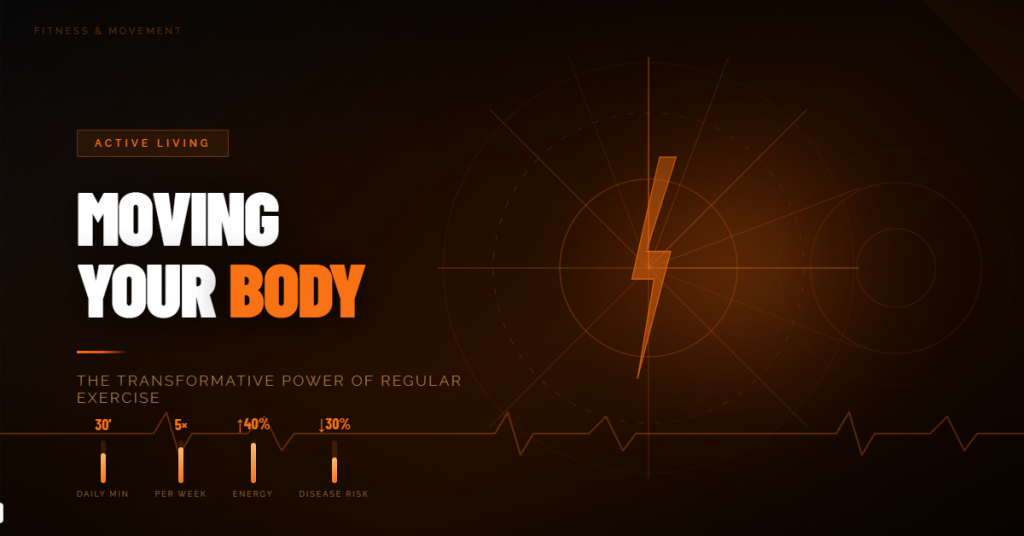

Exercise is medicine. This isn’t just a catchy phrase—it’s supported by decades of scientific research showing that regular physical activity prevents and treats numerous chronic diseases while enhancing mental health, cognitive function, and quality of life. The good news is that you don’t need to become an athlete or spend hours at the gym to reap significant health benefits. Even modest increases in physical activity can transform your wellbeing.
How Exercise Benefits Your Body
Cardiovascular Health: Regular aerobic exercise strengthens your heart muscle, allowing it to pump blood more efficiently. This reduces resting heart rate and blood pressure while improving circulation throughout your body. Exercise raises HDL cholesterol while lowering LDL cholesterol and triglycerides, significantly reducing your risk of heart disease, stroke, and related conditions. Even walking 30 minutes most days can cut cardiovascular disease risk by nearly half.
Metabolic Benefits: Physical activity improves insulin sensitivity, helping your cells absorb glucose from the bloodstream more effectively. This is crucial for preventing and managing type 2 diabetes. Exercise also supports healthy weight management by burning calories and building muscle mass. Since muscle tissue is metabolically active, having more muscle increases your resting metabolic rate, meaning you burn more calories even when not exercising.
Musculoskeletal Strength: Weight-bearing exercise and resistance training build bone density, reducing osteoporosis risk as you age. Strong muscles improve balance and coordination, preventing falls and fractures. Maintaining muscle mass is particularly important after age 30, when people naturally lose muscle mass without intervention. Regular exercise also lubricates joints and can reduce arthritis symptoms.
Immune Function: Moderate exercise boosts immune system function, helping your body fight off infections more effectively. Regular physical activity reduces inflammation throughout the body, which is linked to numerous chronic diseases from cancer to autoimmune conditions. However, very intense exercise without adequate recovery can temporarily suppress immunity, so balance is important.
Mental and Cognitive Advantages
Exercise is one of the most effective treatments for depression and anxiety, often rivaling medication in effectiveness for mild to moderate cases. Physical activity triggers the release of endorphins, often called feel-good chemicals, which elevate mood and reduce pain perception. Exercise also increases levels of brain-derived neurotrophic factor, a protein that supports the growth of new brain cells and neural connections.
Regular physical activity improves cognitive function across all ages. In children and young adults, it enhances learning and academic performance. In middle age, it maintains mental sharpness and protects against cognitive decline. In older adults, exercise reduces dementia risk and may slow Alzheimer’s disease progression. Even a single bout of exercise can immediately improve focus, memory, and executive function for several hours afterward.
Sleep quality improves significantly with regular exercise, particularly when you work out earlier in the day. Physical activity helps regulate circadian rhythms and reduces the time it takes to fall asleep. People who exercise regularly report better sleep quality and feel more refreshed upon waking. This creates a positive cycle where better sleep supports more energy for physical activity.
Types of Exercise and Their Benefits
Aerobic Exercise: Activities that elevate your heart rate for sustained periods include walking, jogging, cycling, swimming, and dancing. Aerobic exercise is particularly beneficial for cardiovascular health and endurance. Aim for at least 150 minutes of moderate-intensity or 75 minutes of vigorous-intensity aerobic activity per week. This can be broken into smaller sessions throughout the day.
Strength Training: Using weights, resistance bands, or body weight builds muscle mass and bone density. Strength training should target all major muscle groups at least twice per week. You don’t need heavy weights to benefit—even light resistance with higher repetitions improves strength and function. Proper form is more important than the amount of weight lifted.
Flexibility and Balance: Stretching, yoga, and tai chi improve range of motion, reduce injury risk, and enhance balance. These practices are particularly important as we age to maintain independence and prevent falls. Flexibility work also reduces muscle tension and can alleviate chronic pain. Incorporating 10 to 15 minutes of stretching several times per week yields noticeable benefits.
High-Intensity Interval Training: HIIT alternates short bursts of intense activity with recovery periods. This efficient workout style provides cardiovascular and metabolic benefits in less time than traditional steady-state cardio. However, HIIT is demanding and not appropriate for everyone. Build a fitness foundation before incorporating high-intensity work.
Getting Started and Staying Motivated
If you’re currently sedentary, start slowly to avoid injury and burnout. Even five minutes of activity is better than none and builds the habit. Gradually increase duration and intensity over weeks and months. Walking is an excellent starting point for most people—it’s free, accessible, and provides significant health benefits without requiring special equipment or skills.
Choose activities you actually enjoy rather than forcing yourself to do exercises you hate. If you dislike running, try swimming, cycling, or dance classes instead. Enjoyment is the best predictor of long-term adherence. Variety also helps—mixing different types of exercise prevents boredom and works your body in different ways.
Schedule exercise like any other important appointment. Morning workouts often have higher adherence rates because fewer obstacles arise to derail your plans. However, the best time to exercise is whenever you’ll actually do it consistently. Some people prefer the stress relief of after-work exercise, while others like lunchtime movement to break up the day.
Find accountability and support through workout partners, classes, or apps that track your progress. Social exercise is particularly enjoyable and motivating for many people. Seeing your progress over time, whether through improved performance, how you feel, or physical changes, reinforces the habit and encourages continuation.
Overcoming Common Barriers
Lack of time is the most frequently cited barrier to exercise. The solution is reframing what counts as exercise. You don’t need an hour-long gym session to benefit. Three 10-minute walks throughout the day are just as beneficial as one 30-minute walk. Take the stairs, park farther away, or do bodyweight exercises during TV commercials. Every bit of movement counts.
If cost is a concern, remember that effective exercise doesn’t require expensive gym memberships or equipment. Bodyweight exercises like push-ups, squats, and planks are free and highly effective. Walking or jogging requires only appropriate footwear. Many excellent workout videos are available free online for everything from yoga to strength training.
Physical limitations or chronic conditions don’t necessarily prevent exercise—they just require modifications. Work with healthcare providers or physical therapists to find safe, appropriate activities. Chair exercises, water aerobics, and gentle yoga can be adapted for various abilities. The goal is moving your body in whatever way you can, starting from where you are now.
Remember that consistency matters more than perfection. Missing a workout isn’t failure—simply resume at your next scheduled time. Build habits gradually, celebrate small victories, and focus on how exercise makes you feel rather than just how you look. The physical and mental health benefits of regular movement are among the best investments you can make in your wellbeing.