
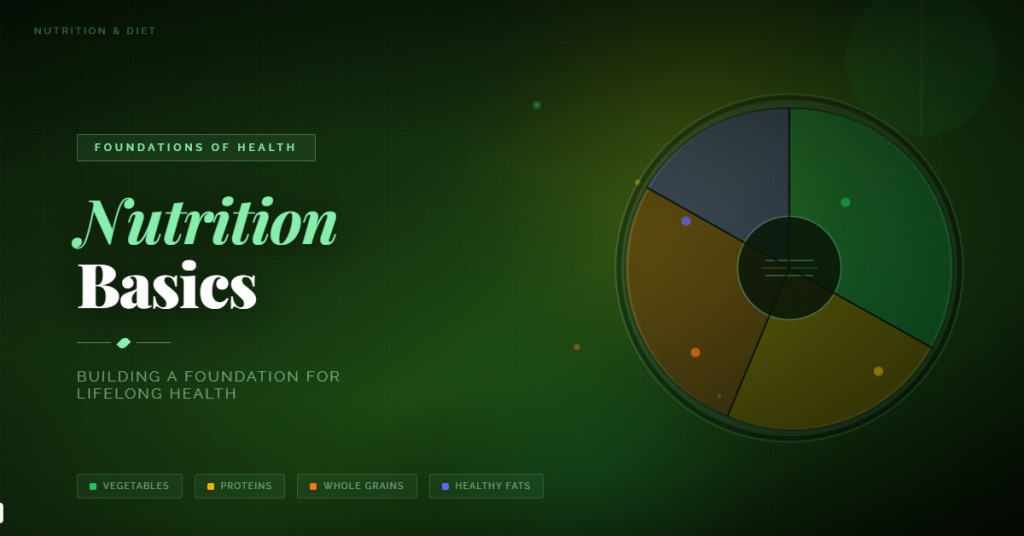

Good nutrition is the cornerstone of wellness, yet many people feel overwhelmed by conflicting dietary advice and ever-changing food trends. The truth is that healthy eating doesn’t have to be complicated. By understanding basic nutritional principles and making gradual, sustainable changes, you can significantly improve your energy levels, mental clarity, and long-term health outcomes.
The Building Blocks: Macronutrients Explained
Proteins: Often called the building blocks of life, proteins are essential for muscle repair, immune function, and hormone production. Your body breaks down dietary protein into amino acids, which it uses to build and repair tissues. Aim for a variety of protein sources including lean meats, fish, eggs, legumes, nuts, and dairy. Most adults need approximately 0.8 grams of protein per kilogram of body weight, though active individuals may require more.
Carbohydrates: Despite their bad reputation in some diet circles, carbohydrates are your body’s preferred energy source. The key is choosing complex carbohydrates that provide sustained energy rather than simple sugars that cause blood sugar spikes. Whole grains, vegetables, fruits, and legumes provide fiber along with carbohydrates, supporting digestive health and helping you feel full longer. These foods also contain important vitamins, minerals, and phytonutrients.
Fats: Healthy fats are crucial for brain health, hormone production, and the absorption of fat-soluble vitamins. Focus on unsaturated fats from sources like olive oil, avocados, nuts, seeds, and fatty fish. These fats support cardiovascular health and reduce inflammation. While saturated fats should be consumed in moderation, they’re not the villain they were once portrayed as. Trans fats, however, should be avoided entirely as they increase disease risk.
Micronutrients: Small but Mighty
Vitamins and minerals may be needed in smaller quantities than macronutrients, but they’re no less important. These micronutrients regulate countless bodily functions from bone health to immune response. Rather than relying on supplements, the best approach is eating a colorful variety of whole foods. Different colored fruits and vegetables provide different nutrient profiles—dark leafy greens offer iron and calcium, orange vegetables provide beta-carotene, and berries are rich in antioxidants.
Some nutrients deserve special attention. Vitamin D, which many people lack due to limited sun exposure, supports bone health and immune function. B vitamins are essential for energy metabolism and nervous system health. Iron is particularly important for women of childbearing age, while calcium and vitamin K support bone density as we age. Omega-3 fatty acids, found in fatty fish, walnuts, and flaxseeds, reduce inflammation and support brain health.
Hydration: The Forgotten Nutrient
Water is involved in virtually every bodily function, yet many people walk around in a state of chronic mild dehydration. Beyond just quenching thirst, proper hydration supports circulation, regulates body temperature, aids digestion, and helps flush toxins. Your brain is particularly sensitive to hydration status—even mild dehydration can impair concentration and mood.
While the classic advice is eight glasses per day, individual needs vary based on activity level, climate, and body size. A good rule of thumb is to drink enough that your urine is pale yellow. Remember that many foods, especially fruits and vegetables, contribute to your daily fluid intake. Herbal teas and water-rich foods like cucumbers, watermelon, and soups all count toward hydration.
Practical Tips for Healthier Eating
Plan Ahead: Meal planning removes the guesswork from healthy eating. Dedicate time each week to planning meals and preparing ingredients. Having healthy options readily available makes it easier to avoid less nutritious convenience foods when you’re tired or busy. Batch cooking grains, chopping vegetables, or preparing proteins in advance sets you up for success.
Read Labels Wisely: Understanding nutrition labels helps you make informed choices. Pay attention to serving sizes, which are often smaller than people expect. Check for added sugars, which hide under various names like high fructose corn syrup, agave, and dextrose. Compare sodium content, especially in processed foods. The ingredient list matters too—choose products with recognizable, whole food ingredients.
Practice Mindful Eating: Slow down and pay attention to your food. Eating mindfully helps you recognize hunger and fullness cues, preventing overeating. Turn off screens, sit at a table, and actually taste your food. Chewing thoroughly aids digestion and allows you to enjoy your meal more fully. This practice also helps you identify which foods make you feel energized versus sluggish.
Balance, Not Perfection: Rigid dietary rules often backfire, leading to restriction and then overindulgence. Instead, aim for balance. The 80/20 principle—eating nutritious whole foods 80 percent of the time while allowing flexibility for treats and social occasions—is sustainable long-term. Foods aren’t inherently good or bad; context and overall patterns matter more than individual choices.
Common Nutrition Myths Debunked
Many nutrition myths persist despite scientific evidence to the contrary. Eating fat doesn’t necessarily make you fat—excess calories from any source lead to weight gain. You don’t need to eat every few hours to boost metabolism; meal frequency is less important than overall food quality and quantity. Carbohydrates aren’t the enemy, though refined carbs and added sugars should be limited. Detox diets are unnecessary because your liver and kidneys naturally detoxify your body.
Remember that individual nutritional needs vary based on age, activity level, health status, and personal goals. What works for one person may not work for another. If you have specific health concerns or dietary restrictions, working with a registered dietitian can provide personalized guidance. The foundation of good nutrition, however, remains consistent: focus on whole, minimally processed foods, eat a variety of nutrients, stay hydrated, and enjoy your food without guilt.