
Introduction: Is Your Money Working for You — or Against You?
Most personal finance books tell you to spend less, save more, and invest early. Good advice, sure. But what they rarely address is the deeper question: how should you be spending the money you do allow yourself to use?
If you’ve ever felt guilty after buying something you enjoyed, or wondered why a raise didn’t actually make you feel better off, you’re not alone. Millions of people earn decent incomes but still feel financially stressed — not because they spend too much, but because they spend on the wrong things for the wrong reasons.
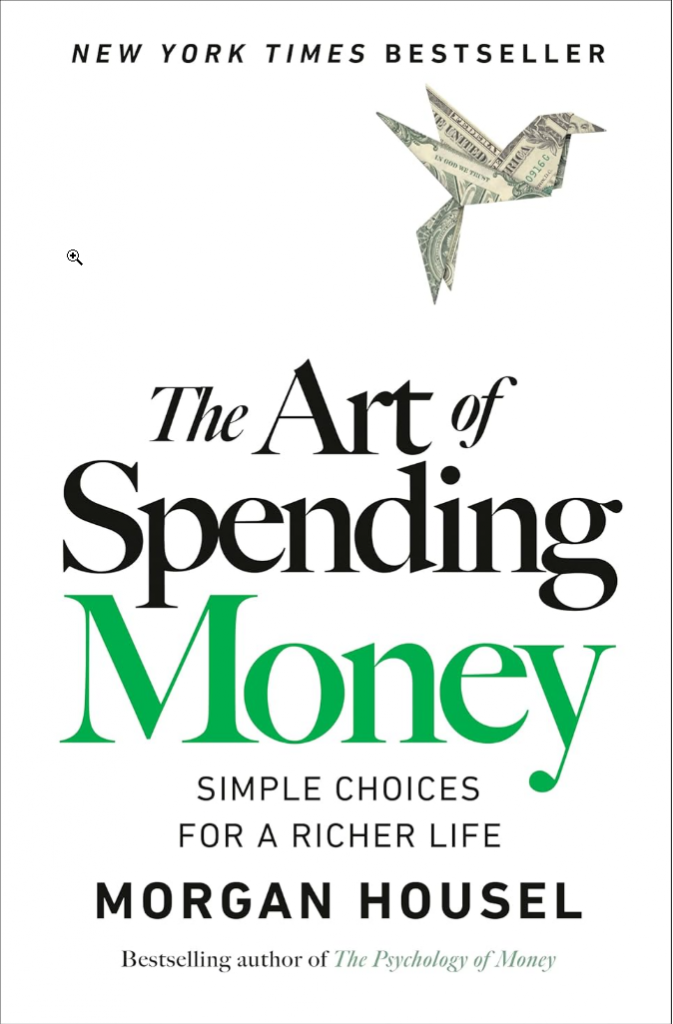
That’s the gap The Art of Spending Money: Simple Choices for a Richer Life aims to fill. Written to help everyday readers make smarter, more intentional choices with their money, this book takes a refreshing angle on personal finance — one that’s less about restriction and more about alignment between your spending and your values.
This review breaks down exactly what you’ll get, who benefits most from reading it, and whether it’s worth adding to your financial literacy library.
What Is The Art of Spending Money?
The Art of Spending Money is a personal finance book designed to shift how you think about day-to-day financial decisions. Rather than focusing narrowly on budgets, debt payoff plans, or investment strategies, it zeroes in on the psychology and philosophy of spending — helping readers understand why they spend the way they do and how to make choices that genuinely improve their quality of life.
The book is written in plain, accessible language with no jargon-heavy financial theory. It’s grounded in behavioral economics and real-world examples, making it feel less like a textbook and more like a thoughtful conversation with a financially savvy friend.
Who Is This Book For?
This book is especially well-suited for:
- Beginners to personal finance who feel overwhelmed by traditional money advice and want a gentler, more human entry point.
- People who earn enough but still feel broke — those who can’t figure out where their money goes or why they don’t feel financially satisfied.
- Readers who’ve already tackled budgeting basics and want to level up their financial thinking beyond just cutting expenses.
- Anyone who ties their emotions to spending — whether that’s guilt, retail therapy, or status-driven purchases — and wants to break those patterns.
It is not a deep-dive investing guide or a step-by-step debt elimination program. If you’re looking for those, you’ll want a different title alongside this one.
Key Features and What You’ll Actually Learn
1. A Values-Based Framework for Spending
One of the most practical takeaways from the book is a clear framework for evaluating purchases based on personal values rather than societal pressure or habit. Instead of asking “Can I afford this?” the book trains you to ask “Does this purchase reflect what I actually care about?” This small mental shift can completely change how you relate to money.
2. The Psychology Behind Financial Decisions
The book leans into behavioral economics in a way that’s easy to understand. You’ll learn about concepts like hedonic adaptation (why that new car stops feeling exciting after a few weeks), the difference between experiential and material spending, and how social comparison quietly drains your wallet. Understanding these patterns is the first step to breaking them.
3. Practical, Real-Life Spending Scenarios
Rather than dealing in abstractions, the book walks through common spending situations — dining out, travel, subscriptions, gifts, home purchases — and shows how to think through each one more deliberately. These examples make the concepts immediately applicable, which is rare in the personal finance genre.
4. How to Find Satisfaction Without Overspending
A big theme throughout the book is that more spending doesn’t equal more happiness — but neither does extreme frugality. The author helps readers find the middle ground: spending intentionally on things that genuinely add value, and letting go of expenses that don’t, without deprivation or guilt.
5. Simple, Actionable Takeaways
Each chapter closes with clear, digestible action steps. You don’t need a financial advisor or a spreadsheet to start applying the lessons — most require only a shift in perspective or a few moments of reflection before a purchase.
Pros and Cons
✅ Pros
- Beginner-friendly language. No financial background required. The writing is clear, warm, and free of intimidating jargon.
- Refreshing angle. Most money books focus on accumulation. This one focuses on how to use what you have — a perspective that’s genuinely underserved.
- Psychologically grounded. The behavioral science foundation gives the advice a depth that goes beyond typical budgeting tips.
- Short and readable. You can finish this book in a weekend. It respects your time and doesn’t pad content unnecessarily.
- Helps with guilt and emotional spending. Readers who struggle with emotional relationships to money will find particular value here.
❌ Cons
- Not for advanced readers. If you’re already well-versed in behavioral finance or have a strong money mindset, much of this may feel like familiar territory.
- Light on investing and wealth-building strategy. This book won’t teach you how to build a portfolio or pay off debt systematically. It’s specifically about spending psychology.
- Some readers may want more data. The tone is conversational and philosophical, which is a strength for many but might feel insufficiently rigorous for analytically minded readers.
- Limited diversity of examples. A few readers have noted the scenarios skew toward middle-class spending situations and may not fully resonate with those at income extremes.
Pricing Breakdown
The Art of Spending Money is available in multiple formats on Amazon, making it accessible at different price points:
- Hardcover: Typically priced around $20–$28 (prices vary by retailer and availability)
- Paperback: Usually available in the $14–$18 range
- Kindle/eBook: Often the most affordable option, generally under $14
- Audible: Available as an audiobook for those who prefer listening during commutes or workouts
For a book that could meaningfully shift how you relate to your finances, even the hardcover price is a solid investment. Most readers report that the perspective shifts alone are worth many times the cover price in avoided impulsive spending.
👉 Check the current price on Amazon here.
Who Should Buy This Book?
Buy it if you:
- Feel like your money disappears without making you happier
- Struggle with guilt around spending, even on things you can technically afford
- Are new to personal finance and want a low-pressure starting point
- Have the budgeting basics down but want a mindset upgrade
- Have tried strict budgets and found them unsustainable
- Want to align your spending with your actual values and priorities
Who Should Skip It (or Pair It with Something Else)?
Consider a different book if you:
- Are looking for a step-by-step debt payoff or investment guide
- Already have a strong, intentional relationship with your money
- Need very structured, numbers-driven financial planning tools
If you’re in the second or third category, this book could still serve as a great complement to a more tactical financial guide — but it probably shouldn’t be your only financial resource.
Final Verdict
The Art of Spending Money is one of the more genuinely useful personal finance reads for people who feel stuck despite doing everything “right.” It doesn’t guilt you into frugality or promise a get-rich formula. Instead, it offers something more sustainable: a clearer understanding of how your spending choices shape your life — and practical tools to make those choices more intentional.
For beginners especially, this book has the potential to be genuinely life-changing — not because it teaches you a trick, but because it helps you understand your own relationship with money in a way that most financial education simply doesn’t address.
If you’re tired of feeling financially anxious despite working hard, or you’ve ever wondered why spending money doesn’t always feel satisfying, this book is a worthwhile read. It’s approachable, insightful, and actually enjoyable — a rare combination in the personal finance genre.
⭐⭐⭐⭐½ — 4.5 out of 5 stars
👉 Grab your copy of The Art of Spending Money on Amazon and start building a healthier, more intentional relationship with your finances today.
Disclosure: This post contains affiliate links. If you purchase through our links, we may earn a small commission at no extra cost to you. We only recommend books we genuinely believe can help our readers.