
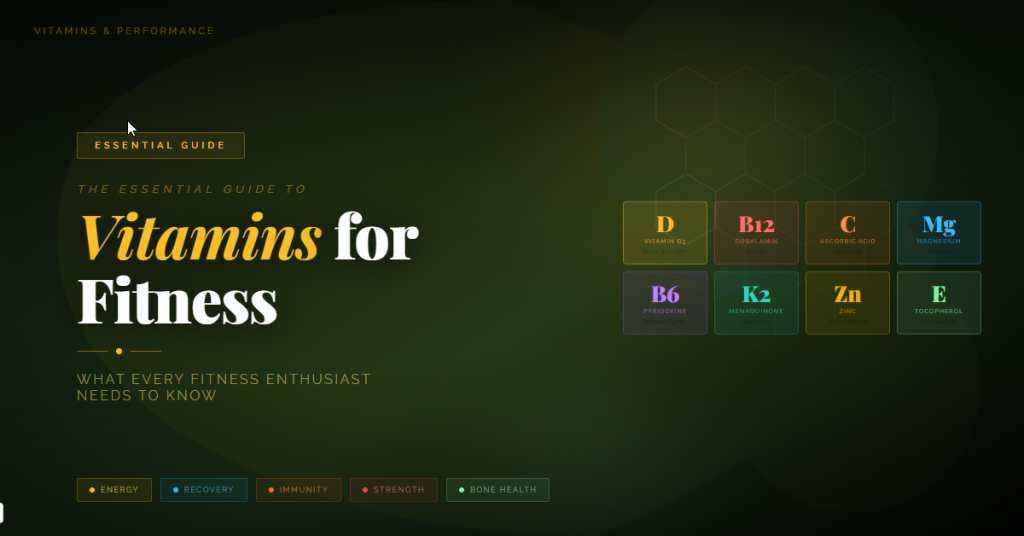

Whether you’re a seasoned athlete or just beginning your fitness journey, understanding the role of vitamins in your performance and recovery is crucial. While a balanced diet should be your primary source of nutrition, knowing which vitamins support your fitness goals can help you optimize your training results.
Why Vitamins Matter for Active Individuals
When you exercise regularly, your body’s nutritional demands increase significantly. Vitamins play essential roles in energy production, muscle repair, immune function, and bone health. Without adequate vitamin intake, you may experience fatigue, slower recovery times, and increased susceptibility to illness.
Key Vitamins for Fitness Performance
Vitamin D is particularly important for athletes and fitness enthusiasts. This vitamin supports bone health, muscle function, and immune system performance. Many people are deficient in vitamin D, especially those who train indoors or live in northern climates. Adequate vitamin D levels have been linked to improved athletic performance and reduced injury risk.
B-Complex Vitamins are essential for energy metabolism. These vitamins help convert the food you eat into usable energy during workouts. Vitamin B12 is especially important for red blood cell formation, which carries oxygen to your muscles. Vitamin B6 supports protein metabolism, making it valuable for muscle repair and growth.
Vitamin C is a powerful antioxidant that helps protect your cells from the oxidative stress caused by intense exercise. It also plays a crucial role in collagen synthesis, which is important for joint health and injury prevention. Additionally, vitamin C supports immune function, helping you stay healthy and consistent with your training.
Vitamin E works alongside vitamin C as an antioxidant, protecting cell membranes from damage during exercise. This vitamin may help reduce muscle damage and inflammation following intense workouts.
Vitamin A supports immune function, vision, and protein synthesis. It also plays a role in bone health and cell growth, making it important for overall athletic development.
Getting Your Vitamins: Food First Approach
The best source of vitamins is whole foods. Fruits, vegetables, whole grains, lean proteins, and healthy fats provide vitamins in their most bioavailable forms, along with other beneficial nutrients and fiber. Dark leafy greens, citrus fruits, berries, nuts, seeds, fatty fish, and colorful vegetables should be staples in any fitness-focused diet.
A varied, nutrient-dense diet typically provides all the vitamins active individuals need. However, certain factors may increase your requirements, including intense training schedules, restricted diets, or specific health conditions.
When to Consider Supplementation
While food should be your primary vitamin source, supplementation may be beneficial in certain situations. Athletes following restrictive diets, those with diagnosed deficiencies, or individuals with limited sun exposure might need additional vitamin support. Before starting any supplement regimen, consult with a healthcare provider or registered dietitian who can assess your individual needs.
If you do supplement, choose high-quality products from reputable manufacturers. Look for third-party testing certifications to ensure purity and potency. Remember that more isn’t always better—excessive vitamin intake can be harmful and may interfere with nutrient absorption.
Timing and Absorption
Understanding vitamin absorption can help you maximize their benefits. Fat-soluble vitamins (A, D, E, and K) are best absorbed when consumed with dietary fats. Water-soluble vitamins (B-complex and C) are absorbed more readily but aren’t stored in the body, requiring regular intake through diet.
Taking vitamins with meals generally improves absorption and reduces the risk of stomach upset. However, specific timing recommendations may vary depending on the vitamin and your individual circumstances.
The Bottom Line
Vitamins are essential for optimal fitness performance, recovery, and overall health. While supplements can fill gaps, they should complement, not replace, a nutritious diet. Focus on consuming a variety of whole foods, stay consistent with your nutrition, and consult with healthcare professionals before adding supplements to your routine. By paying attention to your vitamin intake, you’ll support your body’s ability to perform at its best and recover effectively from your training efforts.