

Sleep is not a luxury or wasted time—it’s a biological necessity as fundamental as eating or breathing. During sleep, your body performs critical maintenance tasks that cannot happen while you’re awake. From memory consolidation to cellular repair, the benefits of quality sleep touch every aspect of your health. Yet modern lifestyles often treat sleep as expendable, with serious consequences for both physical and mental wellbeing.
What Happens While You Sleep
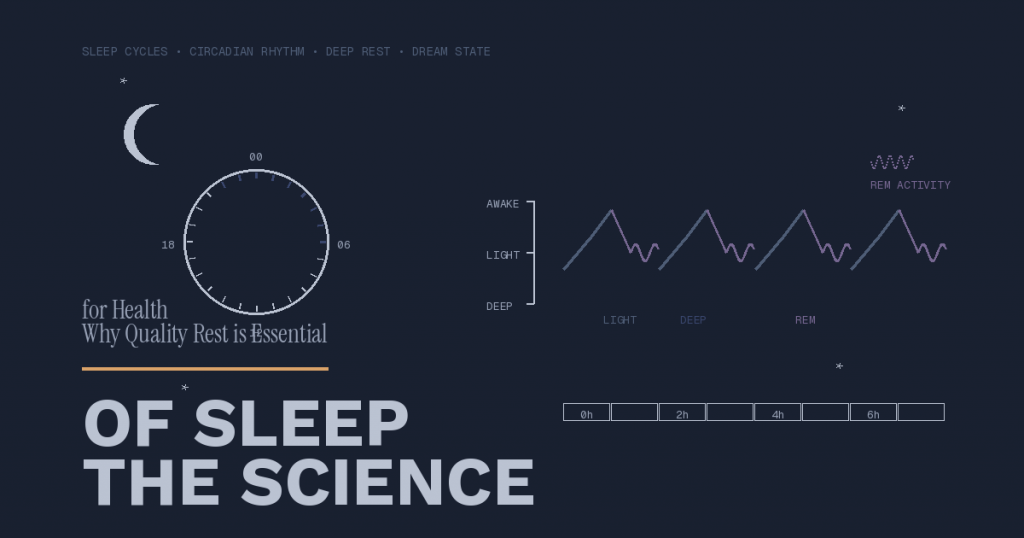
Sleep occurs in cycles, each lasting approximately 90 minutes and containing distinct stages. During light sleep, your body temperature drops and heart rate slows as you transition from wakefulness. Deep sleep, also called slow-wave sleep, is when your body focuses on physical restoration. Growth hormone is released, tissues are repaired, and your immune system strengthens. This stage is particularly important for athletes and anyone recovering from illness or injury.
REM sleep, characterized by rapid eye movements and vivid dreams, is crucial for mental health and cognitive function. During this stage, your brain processes emotions, consolidates memories, and forms new neural connections. REM sleep supports learning, creativity, and problem-solving abilities. A full night of sleep cycles through these stages multiple times, with REM periods lengthening toward morning.
Your brain also performs essential housekeeping during sleep. The glymphatic system, discovered relatively recently, clears metabolic waste products that accumulate during waking hours. This includes beta-amyloid proteins, which are associated with Alzheimer’s disease when they build up. Poor sleep impairs this cleaning process, potentially contributing to cognitive decline over time.
The Health Consequences of Sleep Deprivation
Chronic sleep deprivation affects virtually every system in your body. Your immune system weakens, making you more susceptible to infections. Studies show that people who sleep less than seven hours per night are three times more likely to catch a cold when exposed to the virus. Sleep loss also impairs vaccine effectiveness and slows wound healing.
Metabolic health suffers significantly from inadequate sleep. Sleep deprivation disrupts hormones that regulate hunger and fullness, leading to increased appetite and cravings for high-calorie foods. It also impairs insulin sensitivity, increasing diabetes risk. Research consistently links short sleep duration with obesity, cardiovascular disease, and shorter lifespan.
Mental health and cognitive function deteriorate without adequate rest. Sleep deprivation impairs attention, working memory, and decision-making abilities. It increases emotional reactivity and reduces your ability to regulate emotions effectively. Chronic sleep problems are strongly linked to depression and anxiety disorders, creating a vicious cycle where mental health issues further disrupt sleep.
Creating an Optimal Sleep Environment
Temperature and Darkness: Your body needs to cool down slightly to initiate sleep. The ideal bedroom temperature is between 60 and 67 degrees Fahrenheit. Complete darkness is equally important because even small amounts of light can disrupt melatonin production. Use blackout curtains or an eye mask, and cover or remove electronics with indicator lights. If you need to check the time at night, use a dim red light which is less disruptive than blue light.
Comfort and Quiet: Invest in a comfortable mattress and pillows that support your preferred sleeping position. Your mattress should be replaced every 7 to 10 years, though quality varies. Minimize noise with earplugs, a white noise machine, or a fan. Sudden sounds can fragment sleep even if they don’t fully wake you, reducing sleep quality and leaving you feeling unrefreshed.
Electronics and Blue Light: The blue light emitted by phones, tablets, and computers suppresses melatonin production, making it harder to fall asleep. Aim to stop screen use at least one hour before bedtime. If you must use devices in the evening, enable blue light filters or wear blue-blocking glasses. Charging your phone outside the bedroom removes temptation and eliminates sleep-disrupting notifications.
Healthy Sleep Habits and Routines
Consistency is Key: Going to bed and waking up at the same time every day, including weekends, helps regulate your circadian rhythm. While sleeping in on weekends is tempting, it can cause social jet lag that makes Monday mornings even harder. If you need to adjust your sleep schedule, do so gradually in 15 to 30 minute increments.
Wind-Down Routine: Create a relaxing pre-sleep ritual that signals to your body that bedtime is approaching. This might include light stretching, reading, taking a warm bath, or practicing meditation. Avoid stimulating activities, difficult conversations, or work-related tasks in the hour before bed. The consistency of a routine helps condition your mind and body for sleep.
Watch Your Intake: Avoid caffeine at least 6 hours before bedtime, as it can remain in your system longer than you realize. While alcohol might make you feel sleepy initially, it disrupts sleep architecture and reduces sleep quality. Large meals close to bedtime can cause discomfort and indigestion. If you’re hungry before bed, choose a light snack that combines protein and complex carbohydrates.
Exercise Strategically: Regular physical activity improves sleep quality and helps you fall asleep faster. However, vigorous exercise too close to bedtime can be stimulating. Aim to finish intense workouts at least 3 hours before bed. Gentle stretching or restorative yoga can be beneficial as part of your evening routine.
When Sleep Problems Persist
If you consistently have trouble falling asleep, staying asleep, or feel unrefreshed despite adequate time in bed, you may have a sleep disorder. Conditions like insomnia, sleep apnea, and restless leg syndrome are common but often undiagnosed. Loud snoring, gasping during sleep, or excessive daytime sleepiness warrant evaluation by a healthcare provider.
Keep a sleep diary for a week or two, noting bedtime, wake time, and sleep quality. This information can help identify patterns and is valuable for healthcare providers. Cognitive behavioral therapy for insomnia is highly effective and doesn’t involve medication. Sometimes simple changes in sleep habits make a dramatic difference, but professional guidance ensures you address the root cause rather than just symptoms.
Prioritizing sleep is one of the most impactful things you can do for your health. Quality rest supports your immune system, mental health, cognitive function, and physical performance. By creating healthy sleep habits and an optimal sleep environment, you’re investing in better health, mood, and quality of life.